-
Cart
No items added to cart
Subtotal {{ currencyFormat( getSubtotal() ) }}Continue -
Sign In/Register
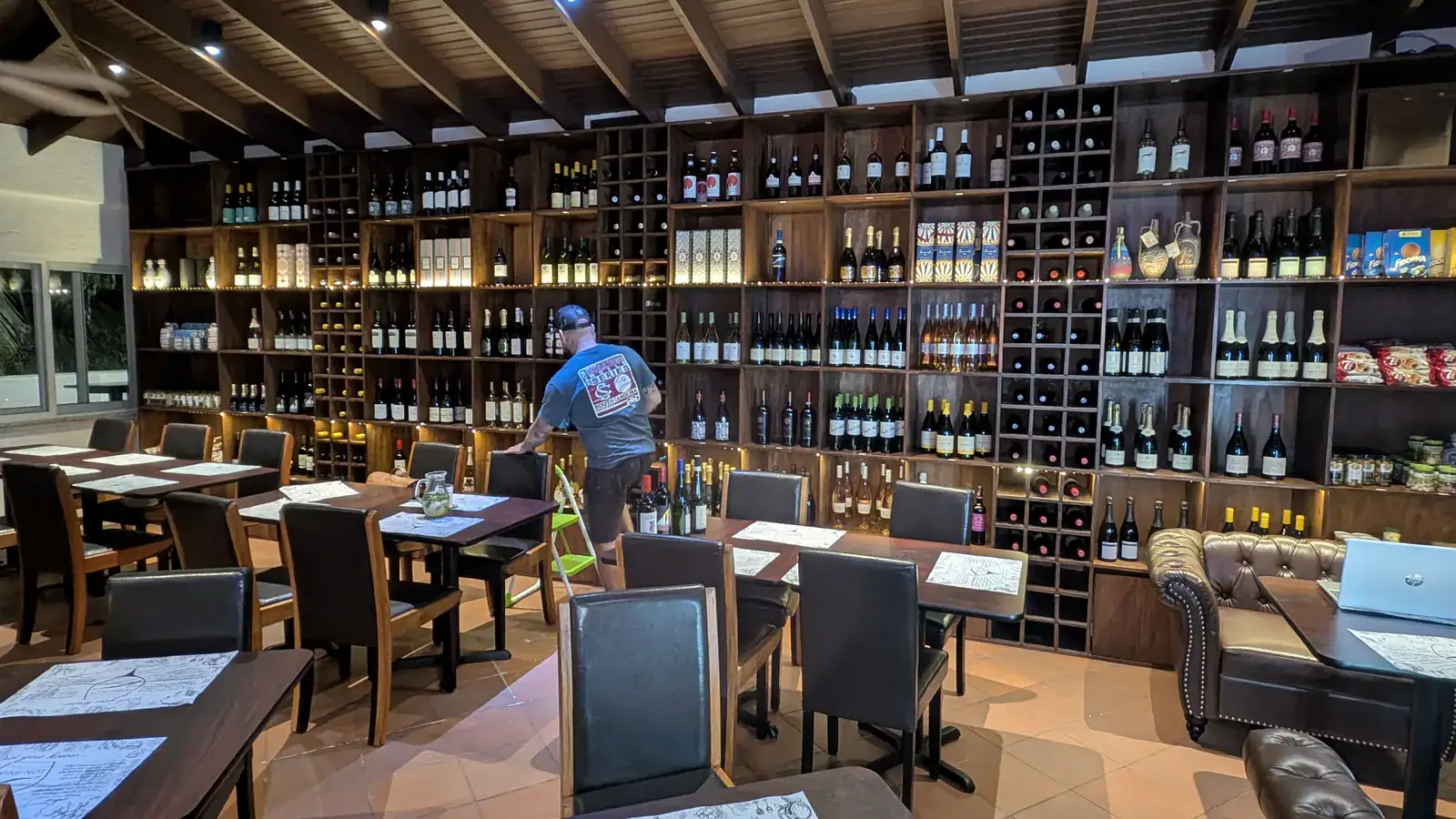
Wine Not in French Harbour is the kind of place you don’t expect to find on a Caribbean island — and that’s exactly what makes it worth the trip.
The Easter Weekend “Around the World in 6 Wines” tasting ($35 per person) is one of several curated tasting events Wine Not runs throughout the year. Hosted by Martin — the manager, in-house sommelier, and walking encyclopedia of wine and beer — the evening is equal parts education, entertainment, and genuinely good drinking.
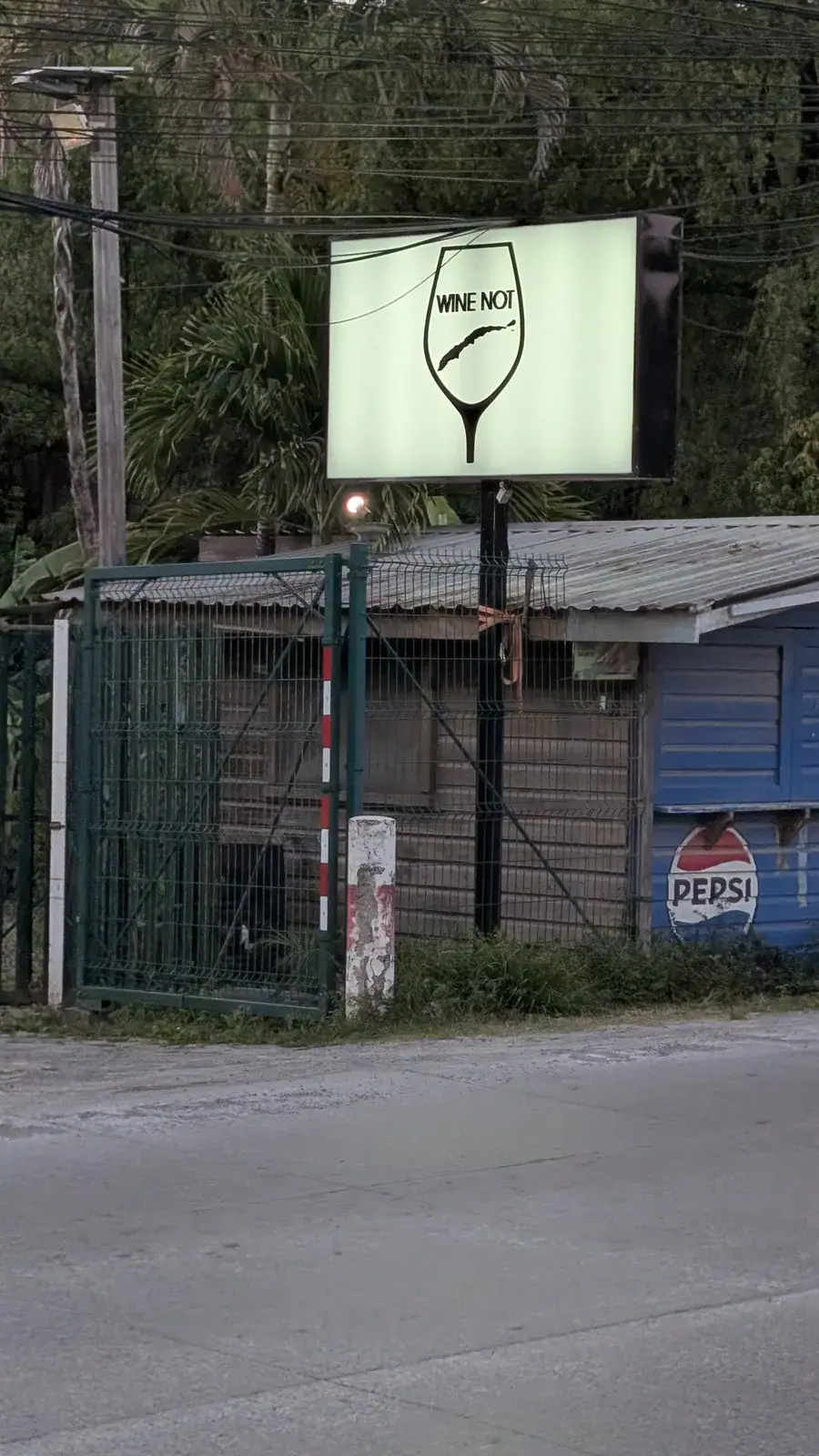
Wine Not doesn’t look like a typical Roatan bar. Dark wood tables, black leather chairs, and an entire wall of backlit wine cubbies stocked floor to ceiling with bottles from Italy, France, South Africa, Czechia, and beyond. The vaulted wood-slat ceiling and warm copper lighting give it the feel of a European wine cellar that somehow landed in French Harbour. It seats maybe 20 comfortably, which keeps the tasting events intimate. You’ll find it about 150 feet east of Bojangles on the main road through French Harbour — turn into the gated driveway on the north side of the road, head to the back of the building, and up a short flight of stairs to the second floor. Plenty of onsite parking inside the gated area.
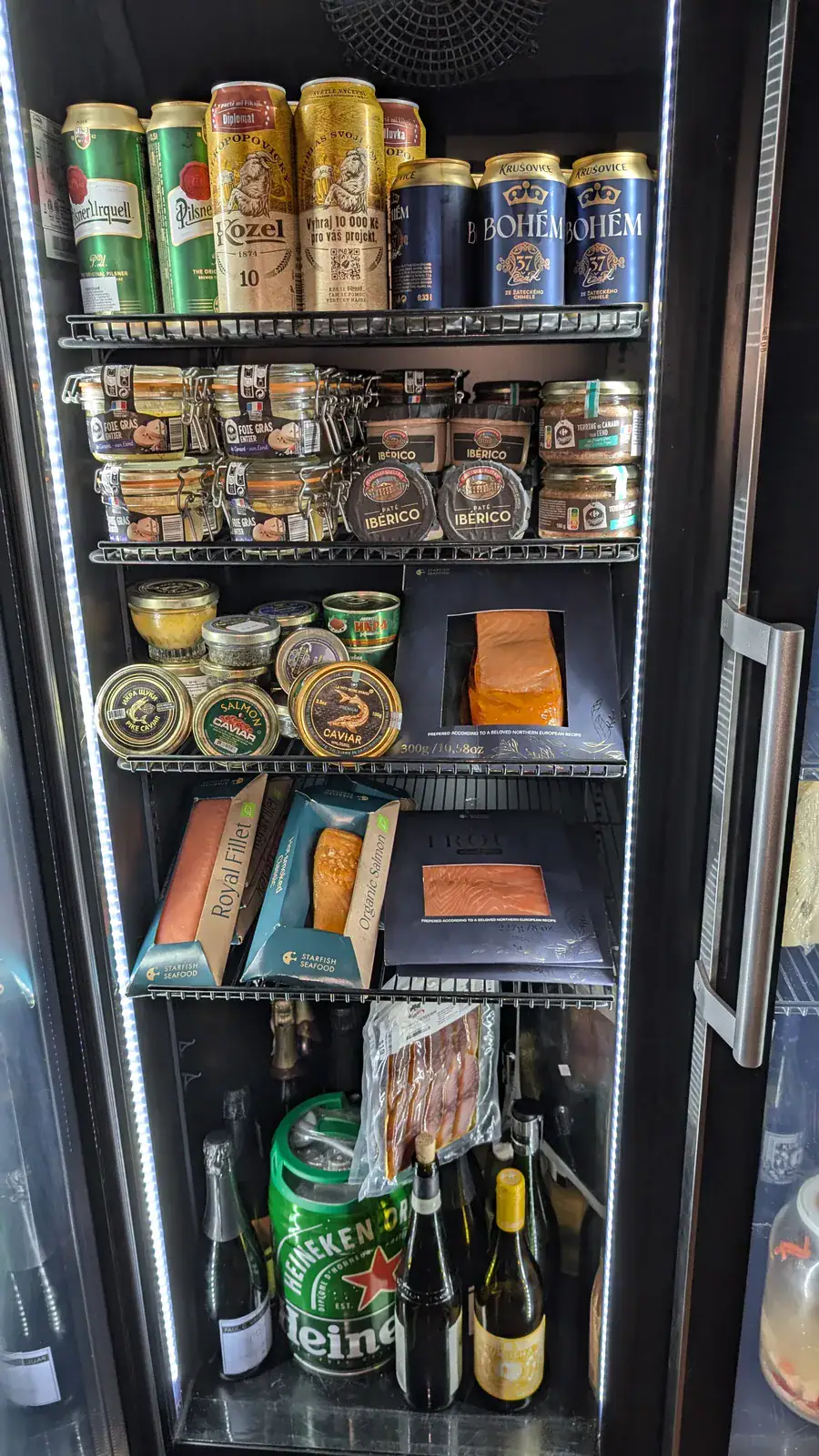
They also carry an impressive selection of imported beers — Czech and Belgian labels like Pilsner Urquell, Krušovice, Delirium Tremens, and Tripel Karmeliet that you won’t find anywhere else on the island. Add in a full espresso bar, spirits ranging from Becherovka to Beluga vodka, and a small European-style food menu, and you’ve got something genuinely unique in Roatan’s dining scene.
Before the tasting officially kicked off, I ordered a glass of the Bianco Fiano — a light, aromatic Italian white with notes of white flowers and citrus. Crisp and refreshing on a warm Friday evening, and the kind of easy-drinking wine that puts you in the right mood before the main event.
Martin opened each bottle tableside, explained the region, the vineyard’s story, and what to look for on the nose and palate. He fielded questions on everything from why some wines use screw caps instead of corks to the history behind the punt — the indentation at the bottom of a wine bottle. It never felt like a lecture. More like drinking with a friend who happens to know an unreasonable amount about wine.
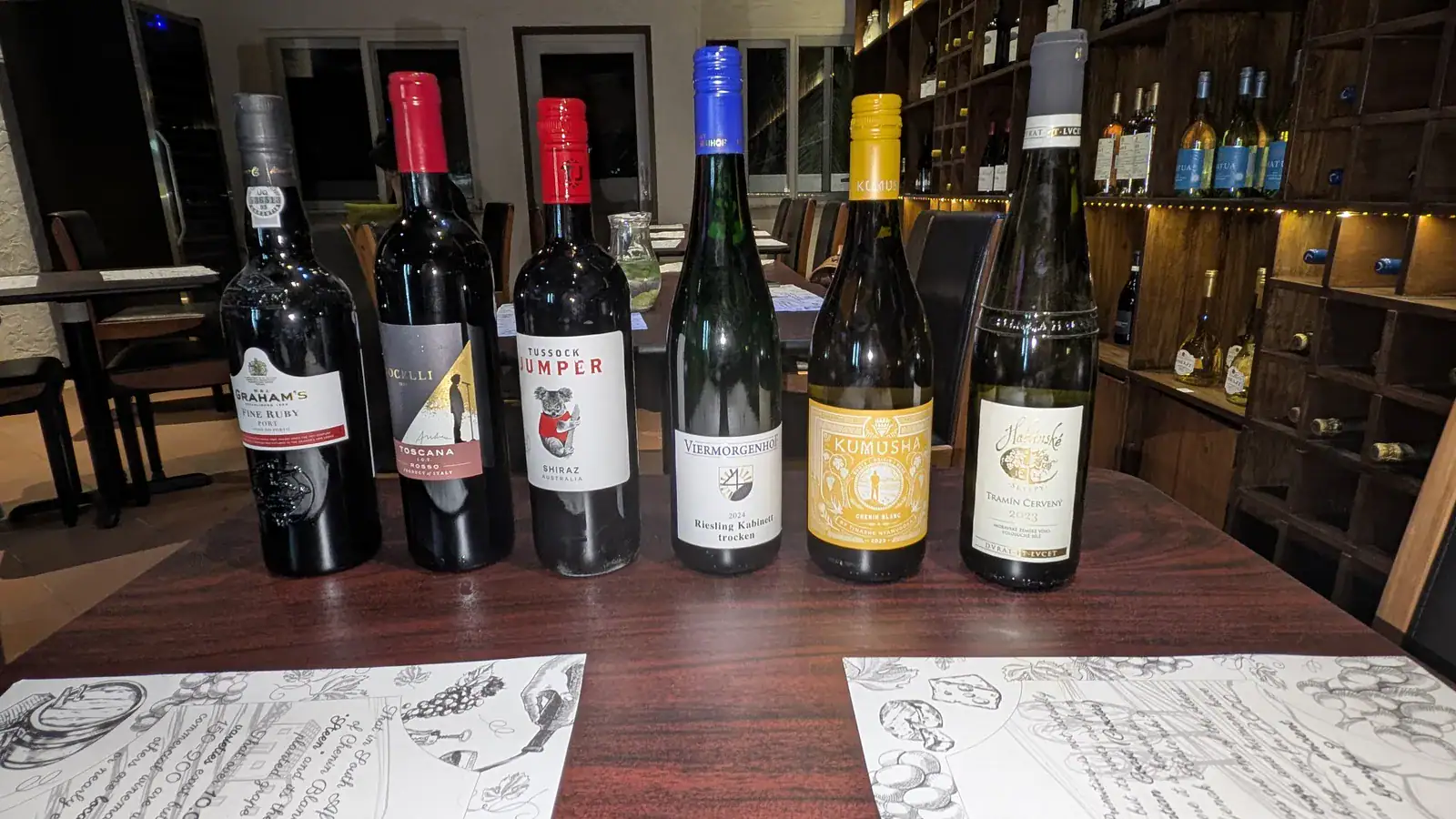
The tasting spanned six countries in six pours, moving from crisp whites through bold reds and finishing with a sweet Port. Each pour was generous — not the thimble-sized samples you get at some tastings.
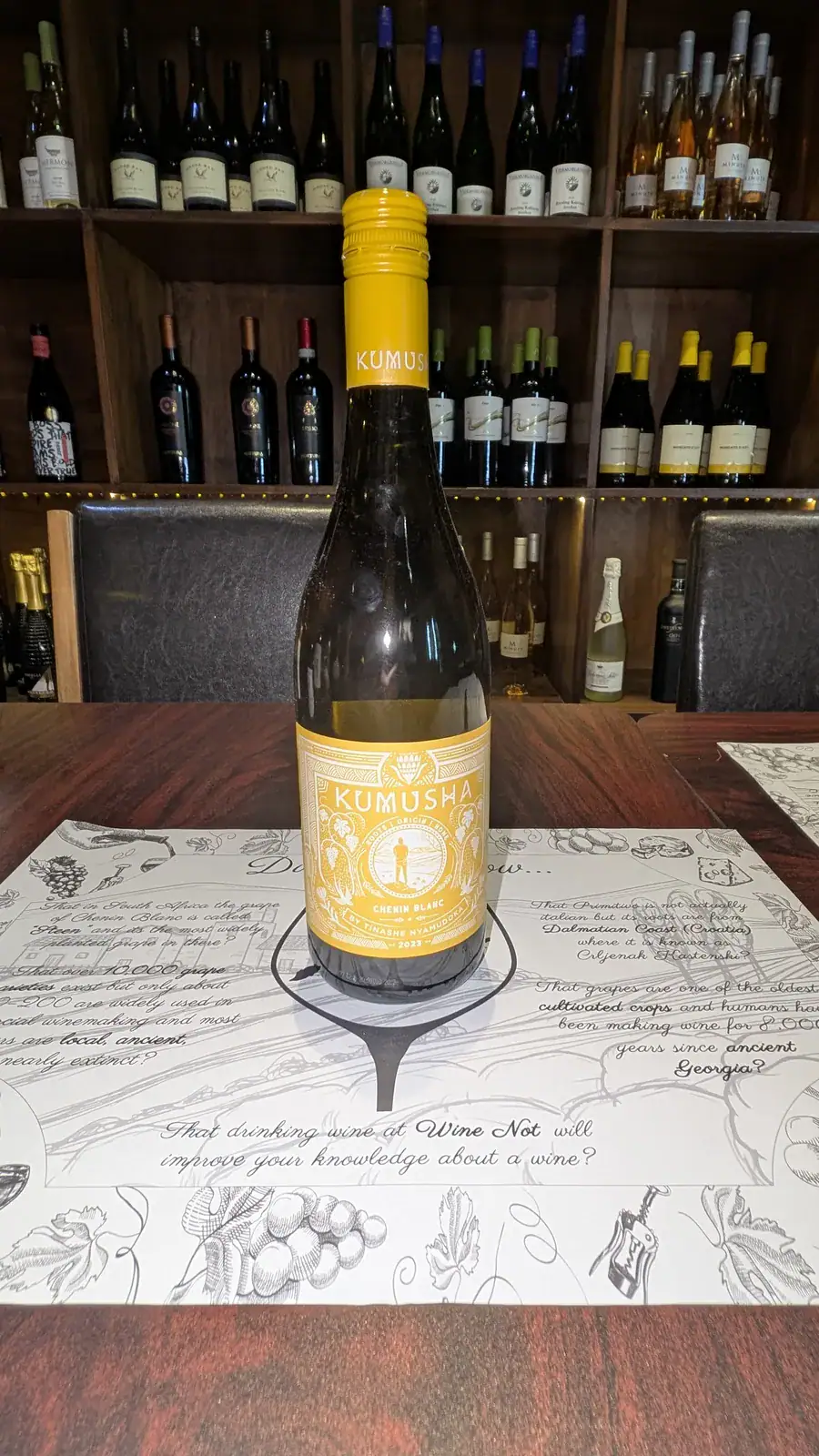
Fresh and lively with hints of green apple and pear. Chenin Blanc is one of South Africa’s signature grapes, and this was a textbook example of why — light, clean, with a crisp finish that made you want another sip. Martin noted it wasn’t aged in oak barrels, which explained the absence of any heaviness. Pure fruit and freshness. A smart choice to open the tasting — easy to drink, impossible to dislike.
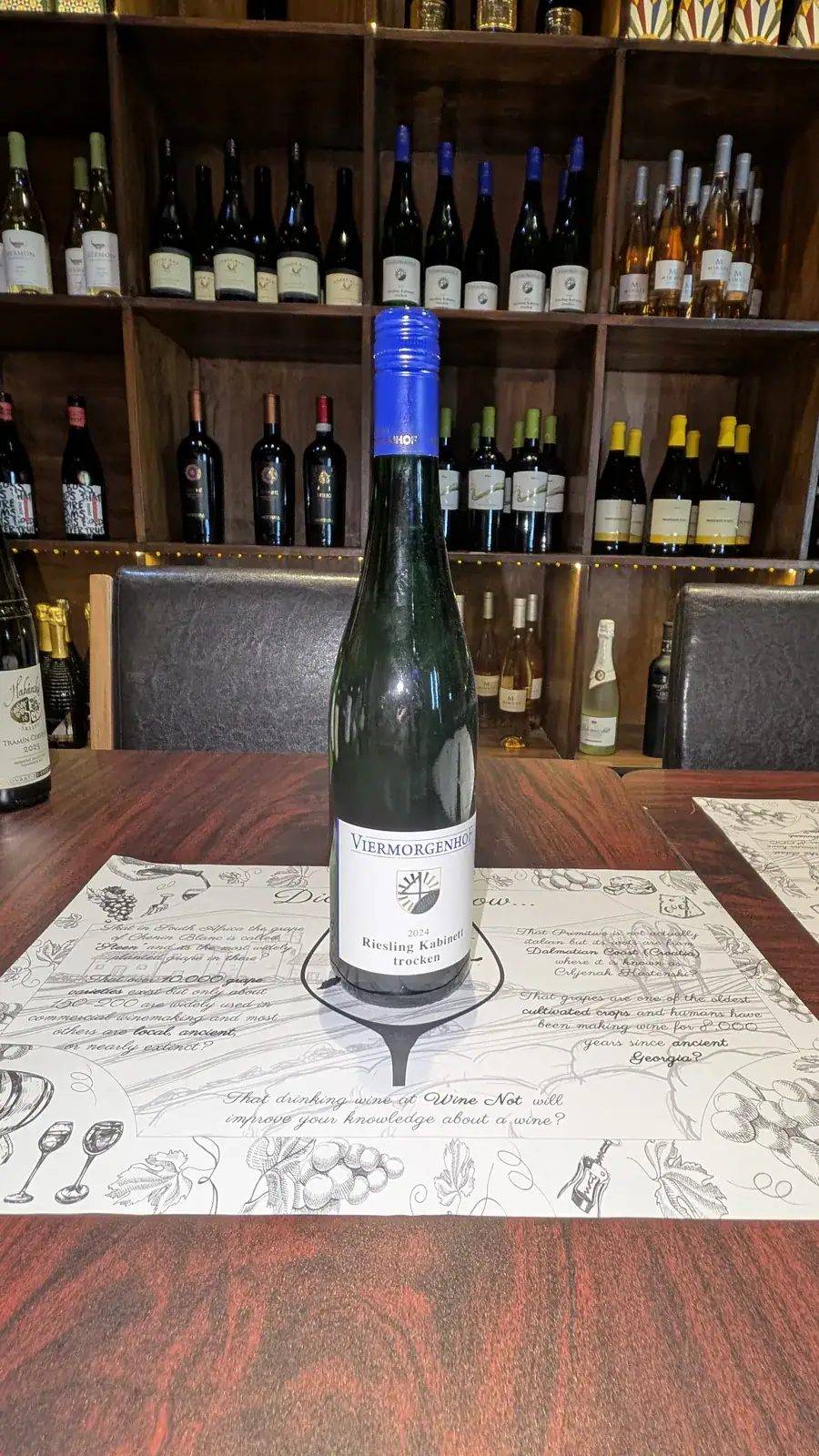
I’ll be honest — I normally don’t gravitate toward Rieslings. They tend to lean too sweet for my palate. But this dry Mosel Valley Riesling changed the script. The “Trocken” (dry) style kept it well-balanced and food-friendly, with green apple, citrus, and a slate minerality that gave it real backbone. Martin explained how the steep Mosel Valley slopes produce some of Germany’s most distinctive whites. If you think you don’t like Riesling, this might be the bottle that changes your mind.
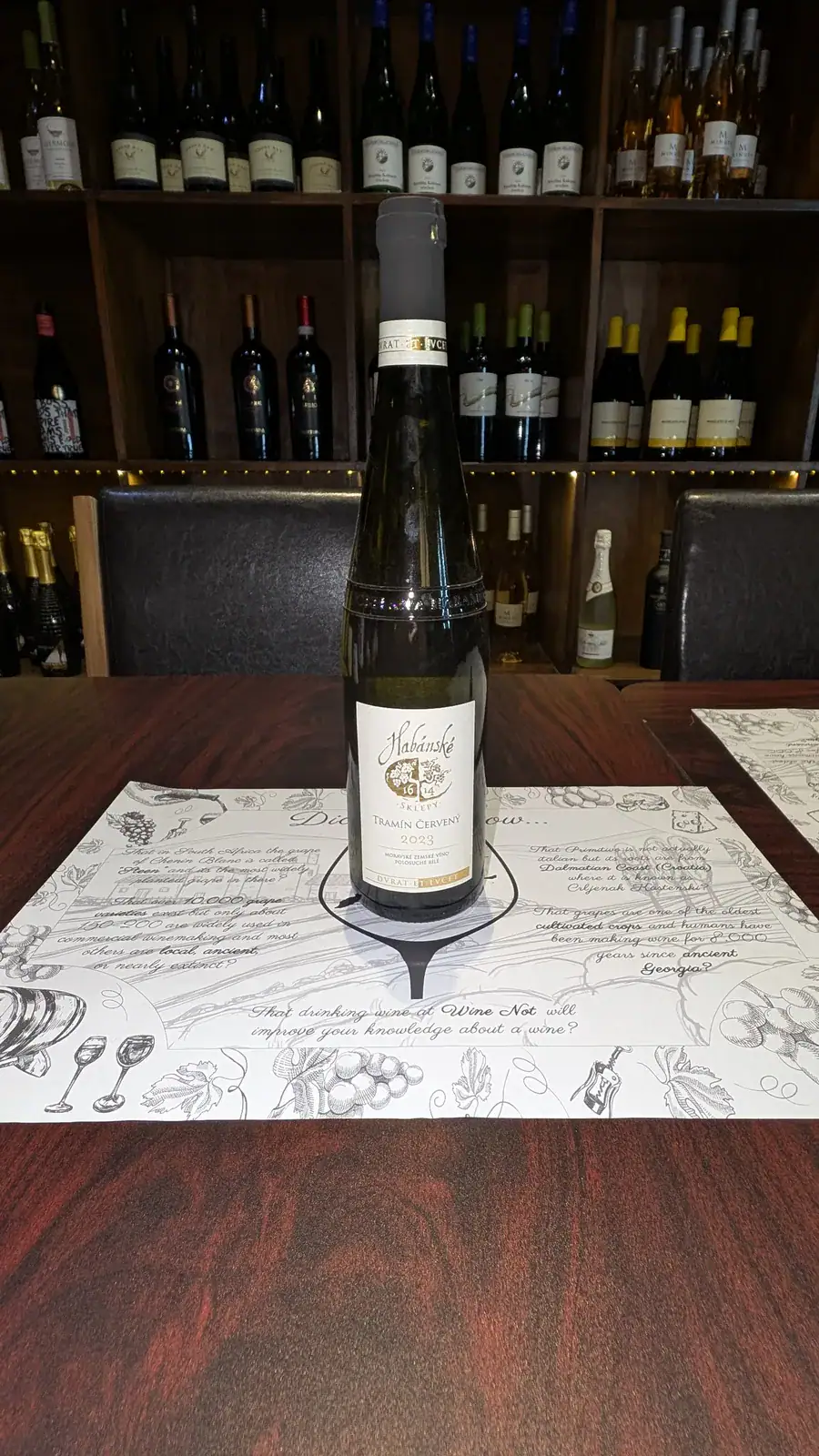
The bridge between the lighter whites and the reds. Tramín Červený is the Czech name for Gewürztraminer — one of the most aromatic white grapes in the world. This one was aromatic and full-bodied with rose, lychee, and spice notes, finishing smooth with a slightly sweet edge. It was a curveball I didn’t see coming — most people don’t associate Czechia with wine — and it was one of the more interesting pours of the evening. Martin clearly enjoys surprising people with this one.
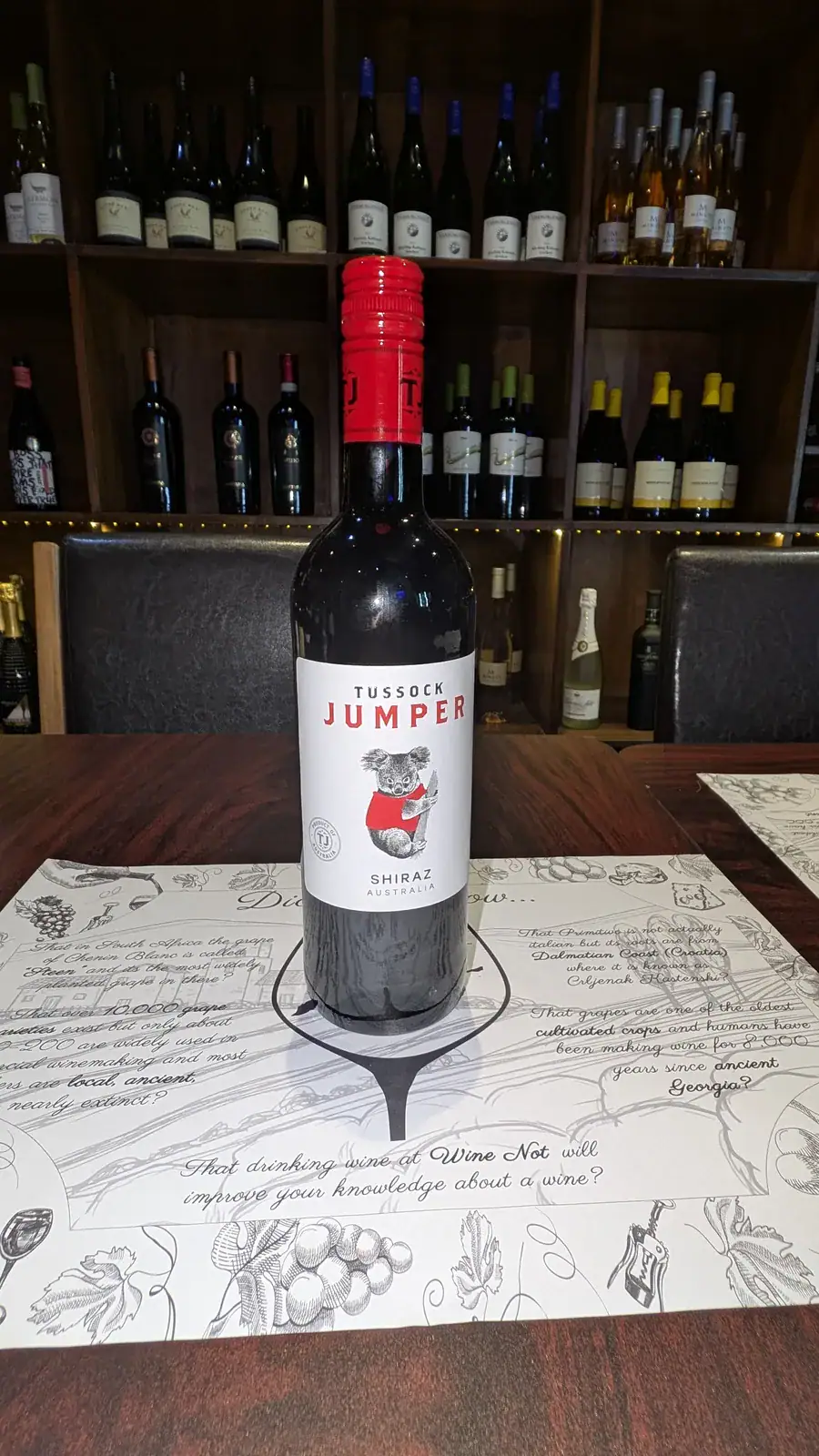
The first red of the evening, and my kind of wine. I normally gravitate toward Shiraz for a good steak dinner — it’s a little lighter on the palate than some well-developed Cabernets, and the berry notes complement a well-seasoned steak or meat dish without overpowering it. This one delivered exactly that: juicy blackberry, plum, and a kick of black pepper on the finish. The Tussock Jumper label features a koala in a red sweater, which got some laughs at the table. At $33, one of the best values on Wine Not’s list and the kind of bottle you’d actually take home.
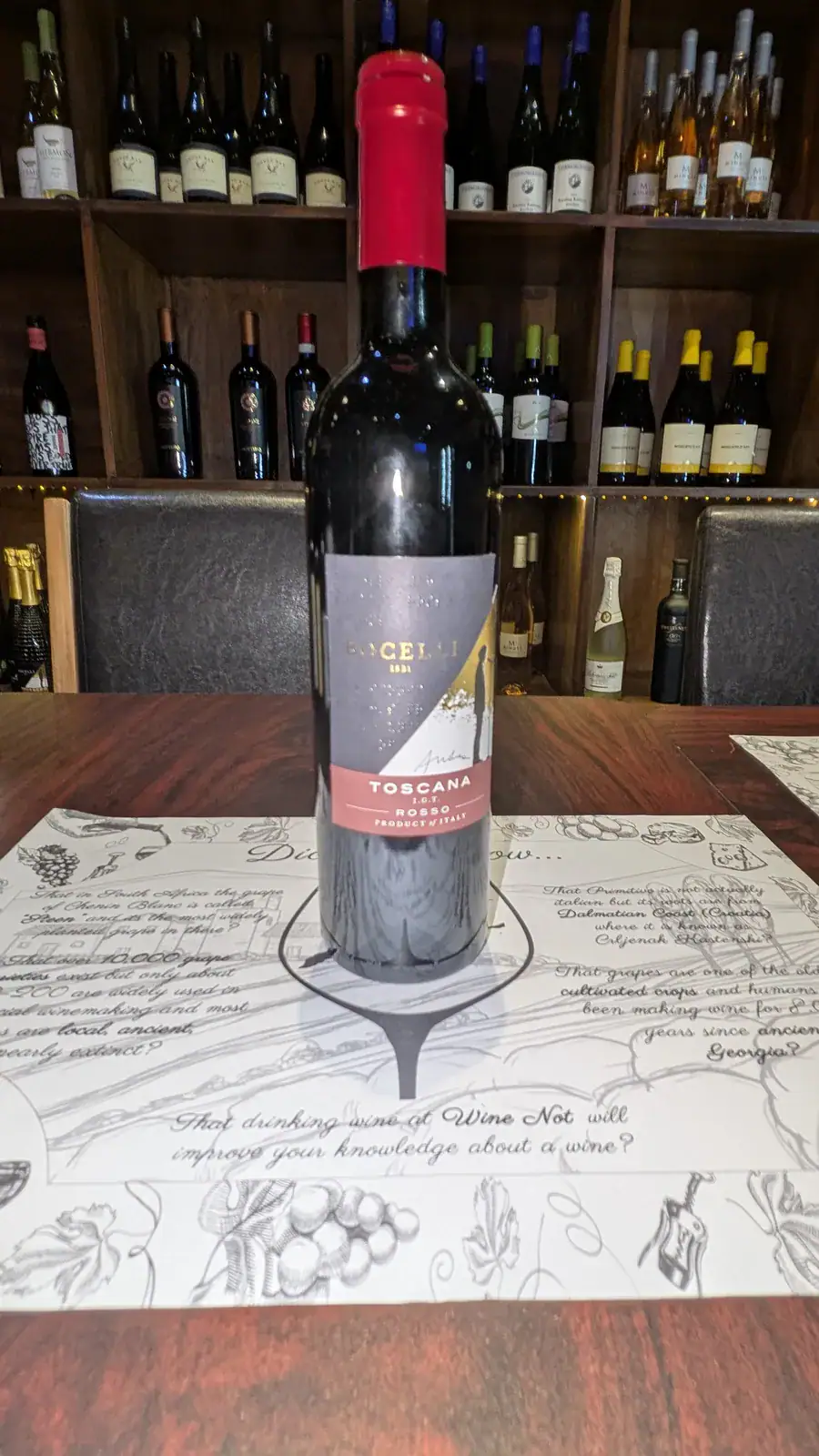
Yes, that Bocelli. The wine is produced by Andrea Bocelli’s brother Alberto, who manages the family estate in Lajatico, Tuscany, alongside their sister Cinzia. The Bocelli family has been making wine on their farm since 1831 — seven generations and counting. The Toscana Rosso is 100% Sangiovese, unoaked, with dark cherry and berry compote aromas, soft tannins, and a clean, juicy finish.
Martin told the family’s story as he poured — how Alberto runs the day-to-day operations, how Andrea’s fame brought global attention but the wine stands on its own merit. It’s medium-bodied, smooth, and the kind of Italian red that’s serious enough to talk about but easy enough to just enjoy.
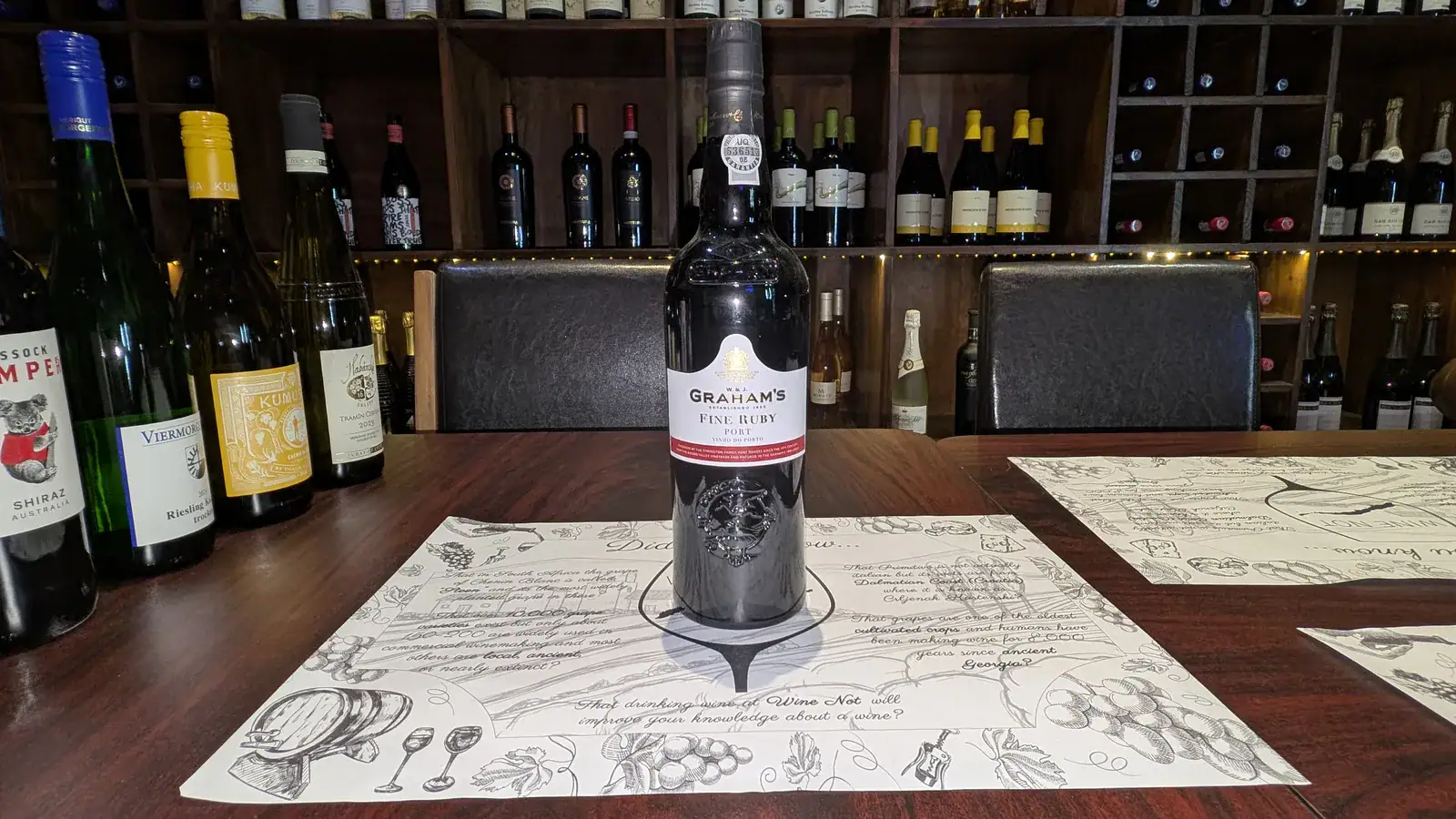
The finale — a sweet Portuguese Port from Graham’s, one of the most respected names in the category. Rich and fruity with ripe blackberry, cherry, and a subtle spice on the finish. Velvety and sweet on the palate. Definitely on the sweeter side — not something I’d drink often, but as a curated pairing with a specific dessert or chef’s recommendation, it’s excellent. If you’re doing the tasting, order a Marlenka honey cake to go with this pour. You’ll be glad you did.
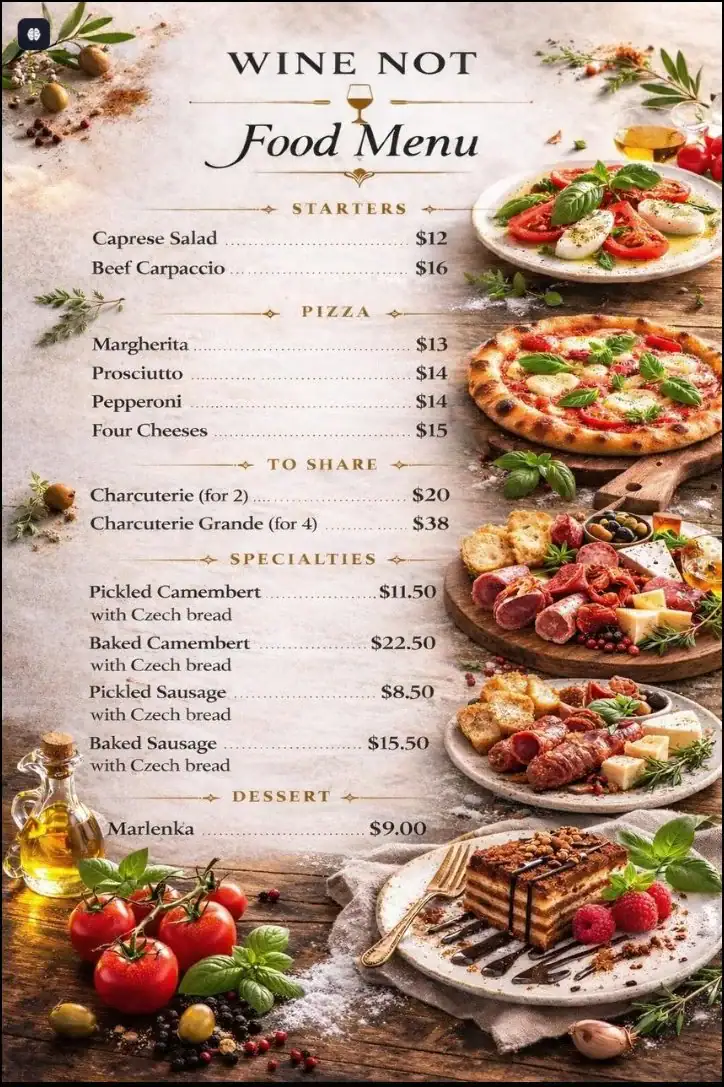
The tasting came with a shared charcuterie stick — European salami and cheese, served between pours. It was a nice touch, but honestly not enough food for a six-wine tasting. If I did it again, I’d order the charcuterie board ($20 for two) and one of their flatbread pizzas. The other couple at our table ordered one and it looked great. The Four Cheese ($15) or Pepperoni ($14) would pair well with the reds, and at those prices it’s an easy add.
The food menu is compact but well thought out — starters like caprese salad and beef carpaccio, four pizza options, Czech specialties like pickled and baked camembert with Czech bread, and charcuterie boards built to share. It’s designed to complement wine, not compete with it.

This wasn’t a one-off evening. Wine Not runs themed tastings regularly, each with a different focus and price point. Past events have included an Italian “Ciao Bella Night” ($35 for 6 wines with salami and cheese), a South African “African Safari Style” tasting ($35), a Spanish evening featuring 8 wines with a full charcuterie board ($50), and an exclusive Moldovan wine tasting paired with traditional Moldovan dishes ($55). The themes rotate and sell out — especially the Saturday sessions — so follow their social media or check their RoatanYP.com listing for the next one.
For $35, the “Around the World in 6 Wines” tasting at Wine Not is one of the best value experiences on the island — and one of the most unexpected. Martin’s knowledge and storytelling turn what could be a simple pour-and-sip into a genuinely fun evening. The wine selection is impressive by any standard, let alone for a Caribbean island, with bottles sourced from six countries spanning everything from crisp South African whites to a Czech Gewürztraminer to a 200-year-old Tuscan family estate to sweet Portuguese Port.
This is the kind of place couples, friend groups, and even solo travelers should have on their radar. You don’t need to be a wine expert to enjoy it — Martin meets you where you are.
Pro Tip: Order food when you arrive. The included charcuterie stick is a nice touch but won’t carry you through six wines. A charcuterie board ($20) and a flatbread pizza ($13–$15) split across the table keeps the cost reasonable. And one Marlenka honey cake ($9) is the right size for sharing between two or three people alongside the Port.
Browse more restaurants and bars in French Harbour or explore our full Restaurants & Bars directory across the island.
Jason Janes